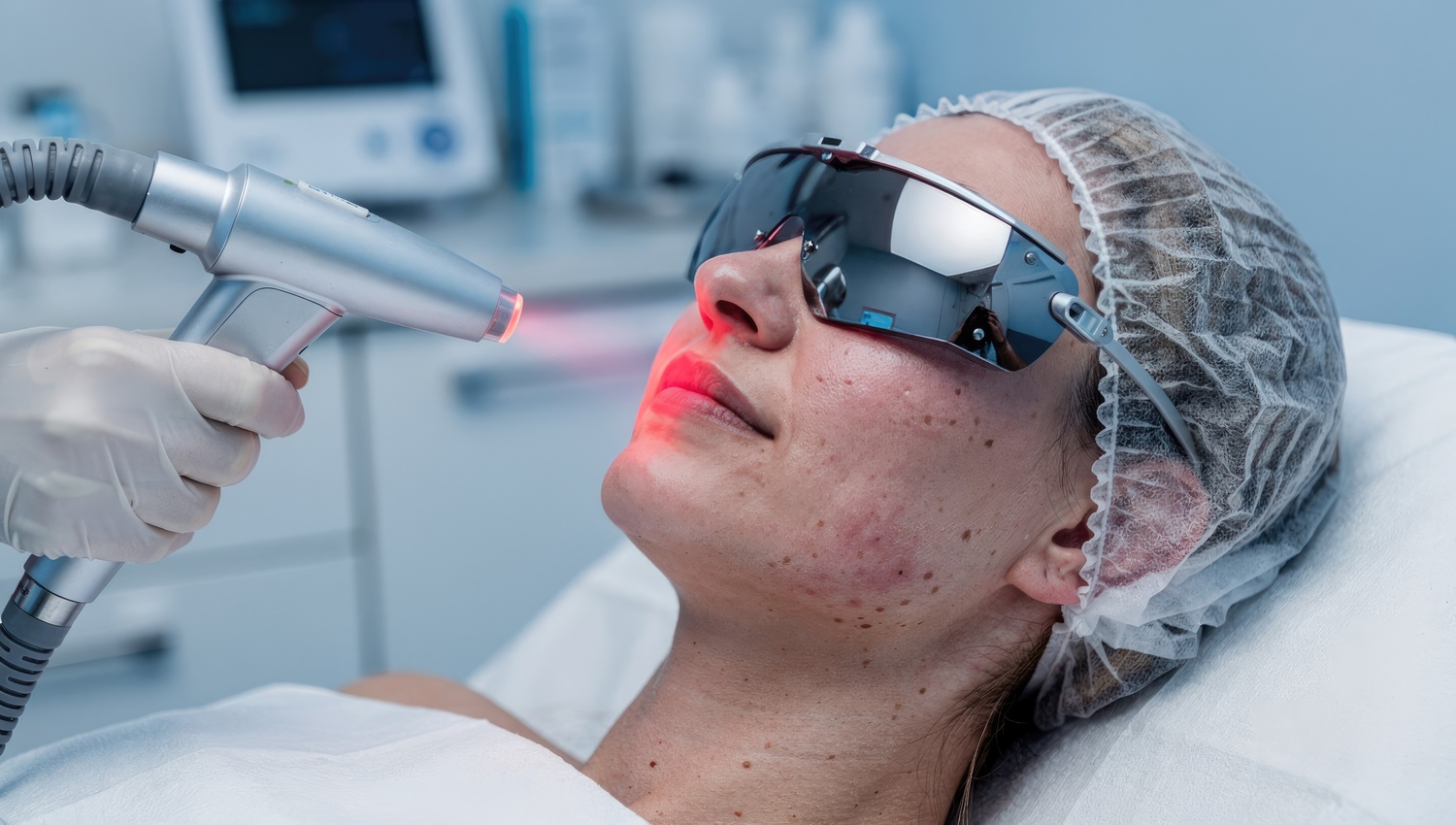
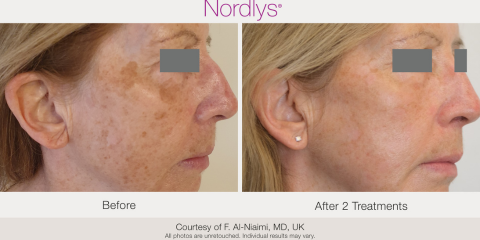
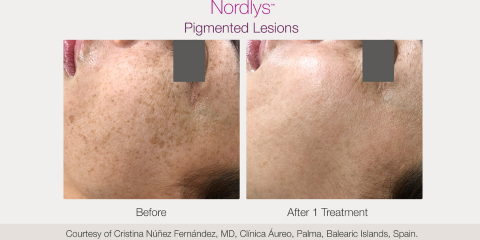
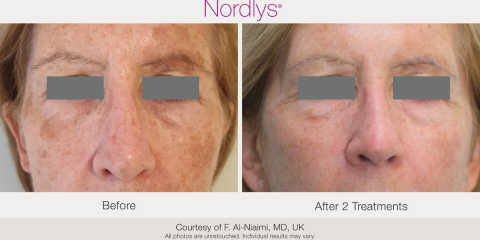
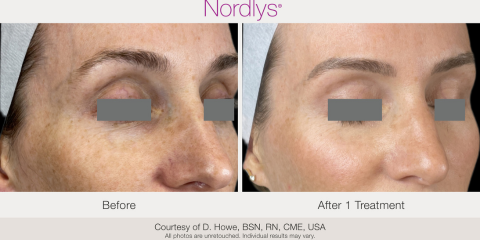
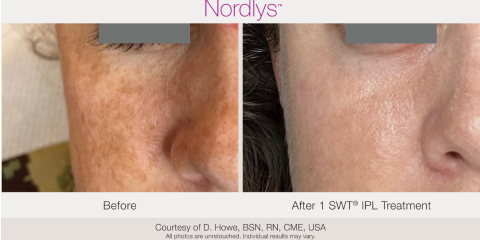
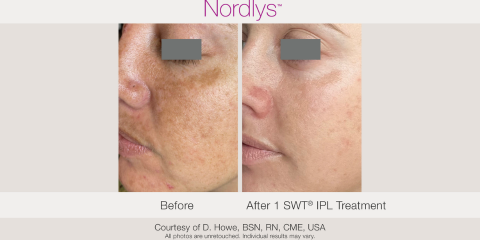
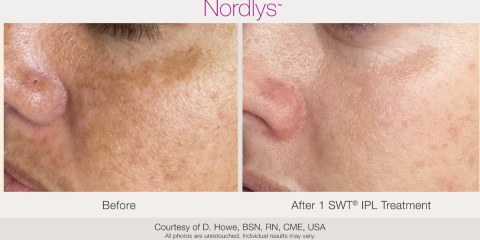
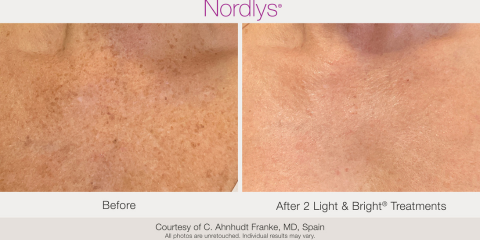
At Advanced Skin Doctors, we offer laser freckle treatment to reduce freckles and pigmentation spots caused by sun exposure, ageing, or genetics. Our precise laser targets melanin in the skin, helping you achieve brighter, smoother, and more even-toned skin.
How It Works
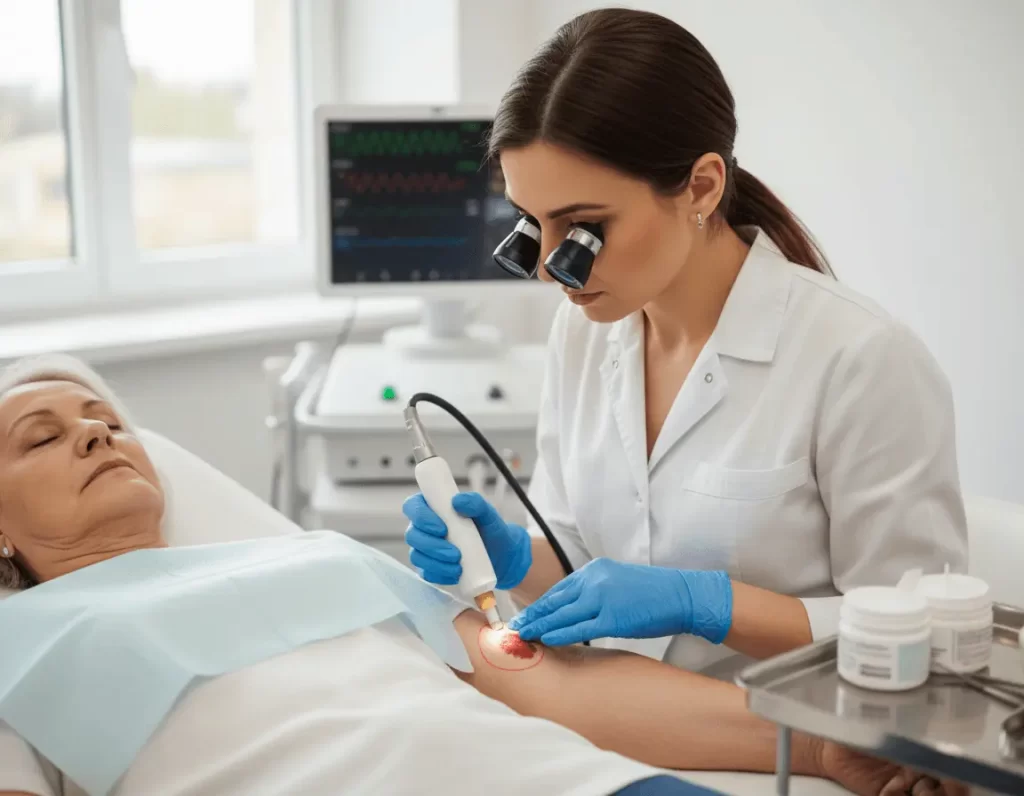
Laser energy is absorbed by the pigment in freckles, breaking it down so your body can naturally remove it. Multiple sessions gradually fade freckles, leaving your complexion clearer and more even.
Benefits
- Safe & precise: Delivered by our experienced team
- Non-invasive: Minimal downtime
- Long-lasting results: Significantly reduces freckles
- Personalised care: Tailored to your skin type and goals
Why Choose Advanced Skin Doctors
Our team combines medical expertise with advanced laser technology to deliver safe, effective, and personalised laser freckle treatments. Achieve clearer, even-toned, radiant skin with our guidance. Book your consultation today and start your journey to clearer, freckle-free skin.
Frequently Asked Question
Freckles gradually fade over several sessions. Mild redness or darkening may appear briefly but settles quickly.
Most patients see noticeable improvement in 3–5 sessions, depending on skin type and freckle intensity.
Patients may feel a mild snapping or warming sensation. Topical numbing can be applied if required.
Minimal. Most patients can resume normal activities immediately.
Avoid sun exposure, tanning, and harsh treatments for at least 2 weeks. Attend a consultation for a personalised treatment plan.
Real Treatment Outcomes


Facts You Should Know
Skin Cancer Facts in Australia
- 2 in 3 Australians will be diagnosed with skin cancer by age 70.
- Over 2,000 deaths occur each year from preventable skin cancers.
- 1 in 4 men and 1 in 6 women will face melanoma in their lifetime.
- UV exposure is the primary cause, making sun protection essential year-round.
- Annual skin checks are critical for high-risk individuals, with self-screening every 3 months.
- 95% of cases are treatable with early detection.
- Melanoma is the most common cancer for Australians aged 15-39.


