Xanthelasma Removal Treatment

What Is Xanthelasma?

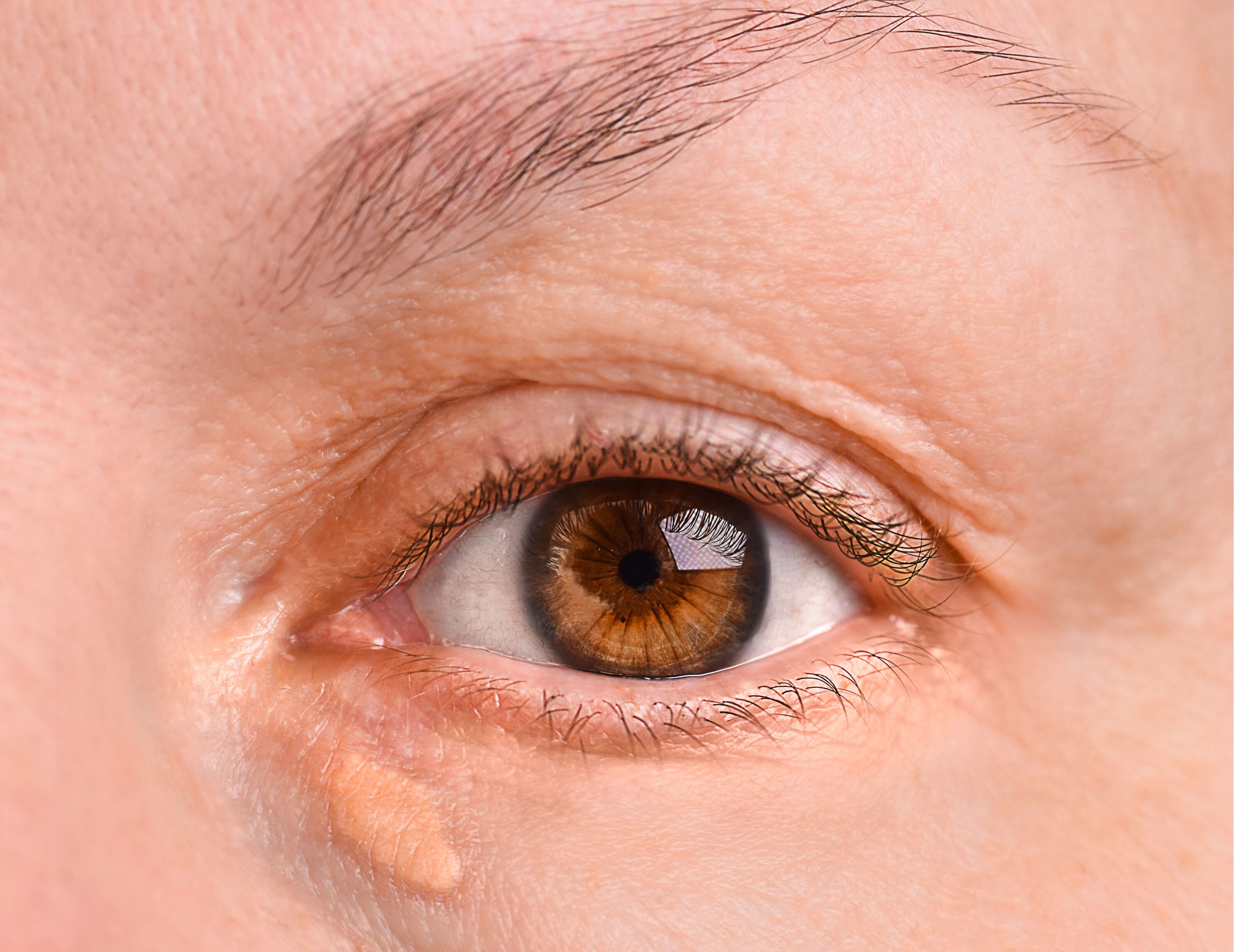
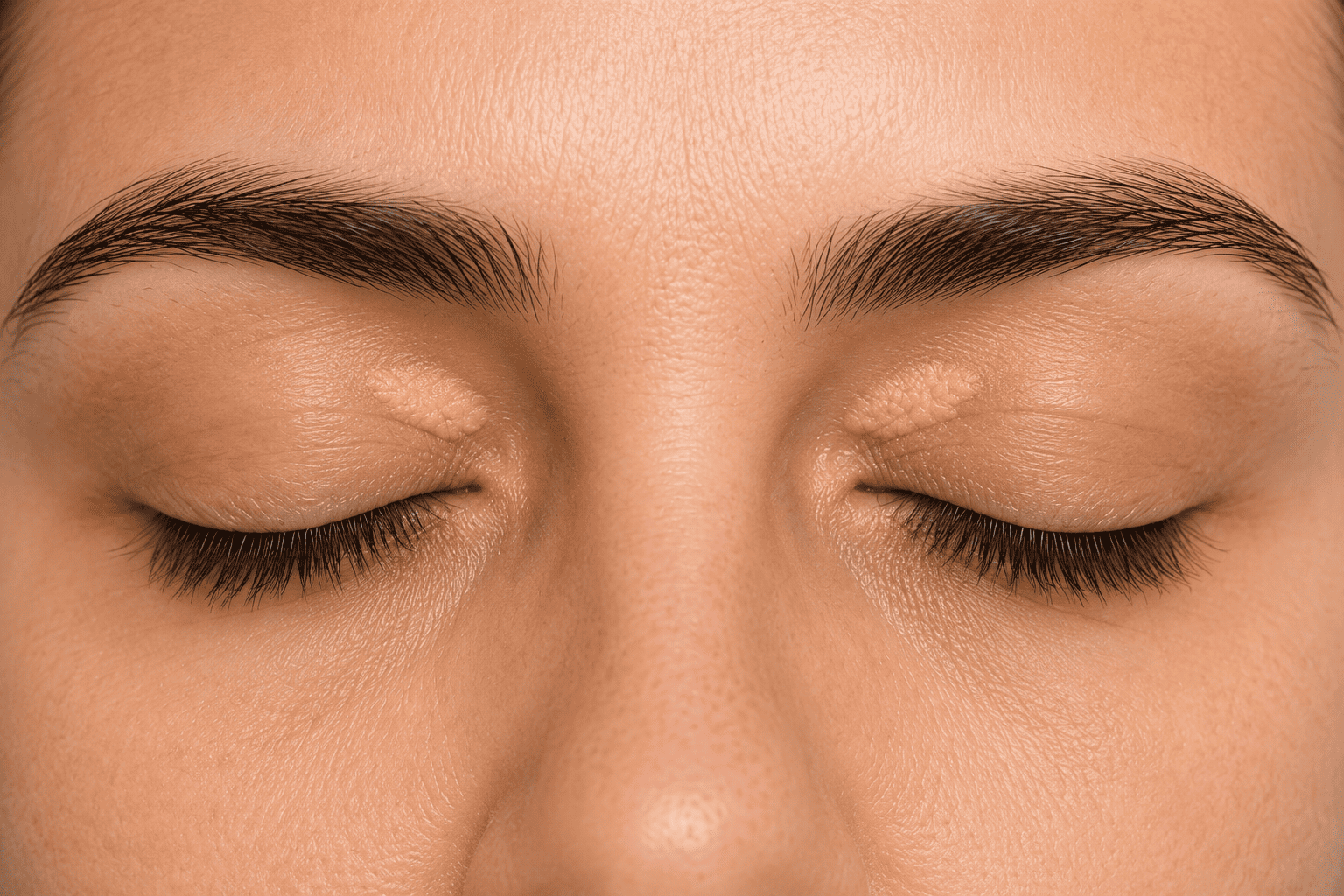
Xanthelasma are soft, yellow or cream-coloured plaques that develop under the skin, usually near the inner corners of the eyelids. They may appear flat or slightly raised and can occur on one or both eyes.

Although xanthelasma are typically benign, they can sometimes be associated with cholesterol, triglyceride, diabetes, thyroid or other metabolic concerns. For this reason, a professional assessment is helpful before deciding how to treat them. Your doctor may also suggest speaking with your GP about blood tests or broader health checks if clinically appropriate.

When Should You Consider Xanthelasma Removal Treatment?

You may choose xanthelasma removal if the deposits:

  • Affect your confidence or appearance.
  • Have grown or become more noticeable.
  • Sit in a delicate eyelid area.
  • Make you feel unsure whether the lesion is harmless.
  • Have returned after previous treatment.
  • Are difficult to cover with makeup or skincare.

Because eyelid skin is thin and sensitive, treatment should be carefully planned. The right approach depends on the size, depth, location and number of deposits, as well as your skin type and healing profile.

xanthelasma-fatty-plaque
Xanthelasma Treatment

Xanthelasma Treatment Options

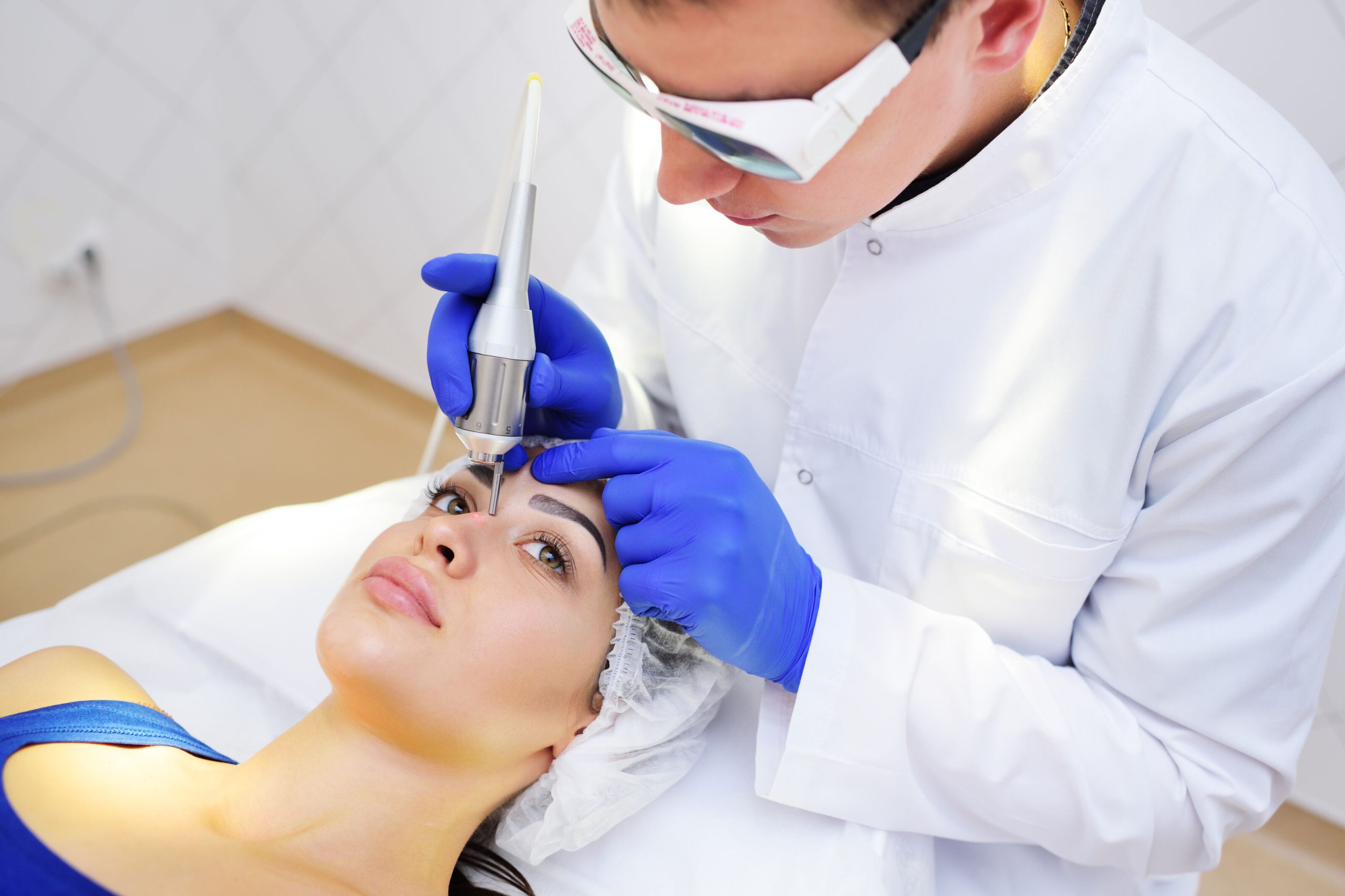
At Advanced Skin Doctors, we offer xanthelasma removal treatment using either radiofrequency or surgical excision, depending on the size, depth and location of the xanthelasma.

Radiofrequency Treatment

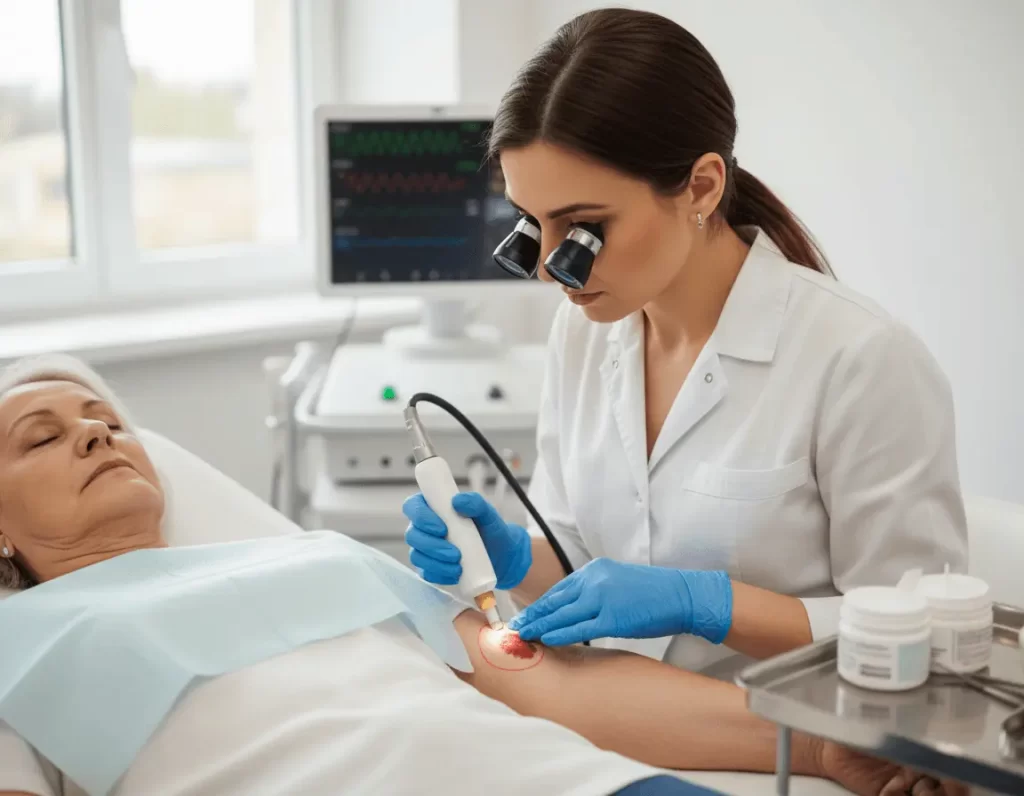
Radiofrequency treatment uses controlled high-frequency energy to precisely remove superficial xanthelasma deposits while minimising damage to the surrounding skin. This technique can be an effective option for smaller or more superficial lesions and is performed with precision around the delicate eyelid area.

Surgical Excision

For larger, deeper or more established xanthelasma, surgical excision may be the most appropriate treatment. The procedure involves carefully removing the affected tissue under local anaesthetic. Where appropriate, the area is closed with fine sutures to promote optimal healing and cosmetic results.

Which Treatment Is Right for You?

The most suitable xanthelasma treatment depends on several factors, including:

  • The size and thickness of the xanthelasma
  • Its location on the eyelid
  • Whether one or multiple lesions are present
  • Your skin type and healing characteristics
  • Your cosmetic goals

During your consultation, your doctor will examine the area and recommend whether radiofrequency or surgical excision is the most appropriate approach. They will also explain the expected recovery, aftercare requirements, potential risks and the possibility of recurrence.

What to Expect at Your Appointment

Your first appointment is designed to give you clarity, not pressure.

Your doctor will examine the eyelid area, discuss how long the xanthelasma has been present, check whether it has changed, and consider any relevant medical history. If treatment is appropriate, you will receive a personalised plan based on the lesion and your goals.

For suitable patients, treatment may be performed under local anaesthetic. Aftercare instructions will be provided to help the treated area heal cleanly and reduce the risk of irritation or infection.

Can Xanthelasma Come Back After Treatment?

Yes, xanthelasma can recur after treatment. Some people develop new deposits in the same area or elsewhere over time, especially if there are underlying lipid or metabolic factors.

Removal can improve the appearance of existing deposits, but it does not always prevent future xanthelasma from forming. This is why a proper medical assessment is important. Where relevant, your doctor may recommend that you review cholesterol or other health factors with your GP.

Xanthelasma Treatment Melbourne

Why Choose Advanced Skin Doctors?

Experienced doctors: Your care is led by qualified doctors who regularly assess and treat skin concerns in a clinical setting.

Personalised treatment planning: Every xanthelasma is assessed individually. Treatment is based on the lesion’s size, location, depth and your skin’s healing needs.

Safety-first clinical care: Procedures are performed in a professional medical environment with clear aftercare guidance.

No GP referral needed: You can book directly with Advanced Skin Doctors without needing a referral.

Convenient Melbourne clinics: Advanced Skin Doctors has clinics in Narre Warren, Hoppers Crossing, Frankston and Wheelers Hill, making care accessible across Melbourne.

Book Xanthelasma Treatment

If you are concerned about yellow patches around your eyelids, Advanced Skin Doctors can help you understand what they are and what treatment options may be suitable.

Book an appointment for xanthelasma treatment in Melbourne and receive clear, personalised advice from an experienced doctor.

    Contact Us

    Frequently Asked Questions

    Is Xanthelasma dangerous?

    Xanthelasma is usually harmless and often treated for cosmetic reasons. However, it may be linked with cholesterol or other metabolic factors in some people, so a professional assessment is worthwhile.

    Xanthelasma forms when cholesterol-rich deposits build up under the skin. It can occur in people with normal cholesterol levels, but it may also be associated with high cholesterol, diabetes, thyroid issues or family history.

    Existing deposits can often be treated, but recurrence is possible. Some people develop new xanthelasma over time, particularly if underlying health factors are present.

    For suitable minor procedures, local anaesthetic may be used to reduce discomfort. Your doctor will explain what to expect before treatment begins.

    Any procedure on the skin can carry a risk of scarring or pigment change, especially around the delicate eyelid area. A careful assessment helps determine the safest approach for your skin.

    No. Advanced Skin Doctors accept direct bookings, so you do not need a GP referral to arrange an appointment.

    Facts You Should Know

    Skin Cancer Facts in Australia

    • 2 in 3 Australians will be diagnosed with skin cancer by age 70.
    • Over 2,000 deaths occur each year from preventable skin cancers.
    • 1 in 4 men and 1 in 6 women will face melanoma in their lifetime.
    • UV exposure is the primary cause, making sun protection essential year-round.
    • Annual skin checks are critical for high-risk individuals, with self-screening every 3 months.
    • 95% of cases are treatable with early detection.
    • Melanoma is the most common cancer for Australians aged 15-39.
    home image 2
    home image 2
    Xanthelasma Removal Treatment
    Scroll to top