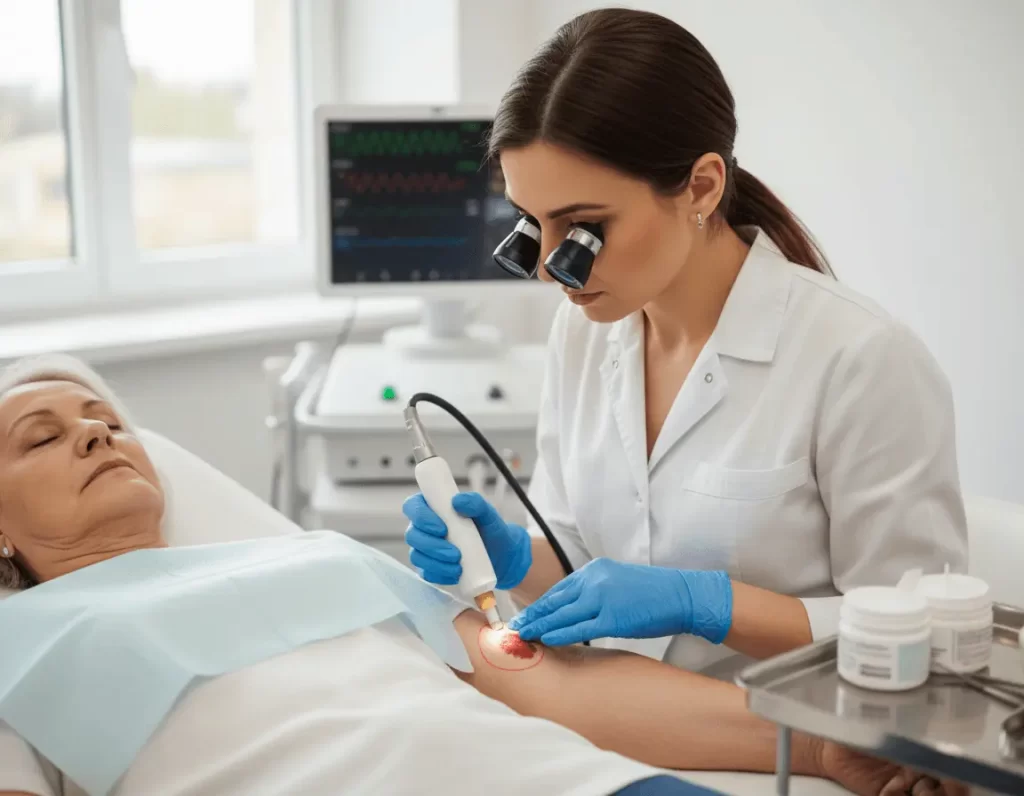
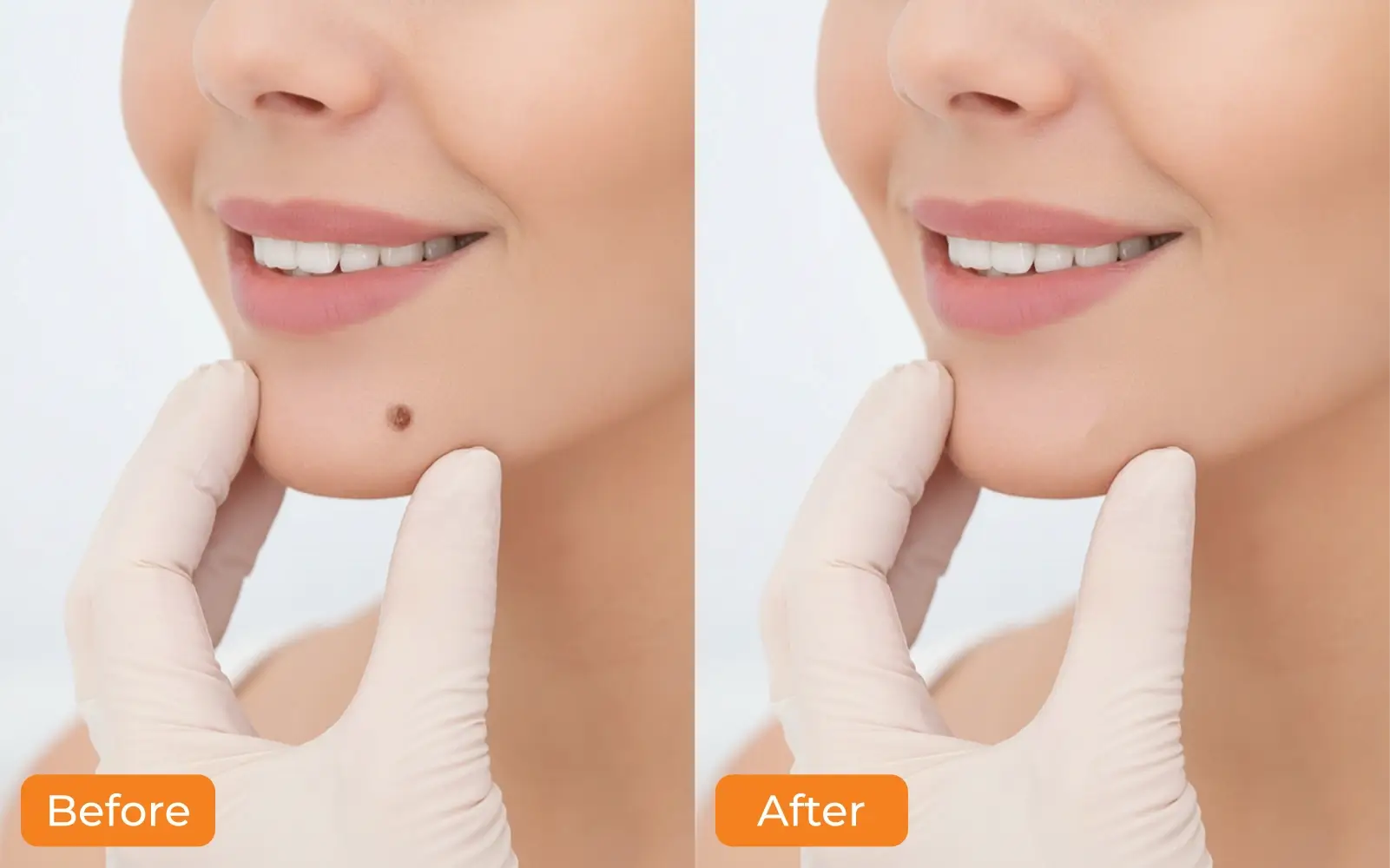
At Advanced Skin Doctors, we provide a professional approach to skin rejuvenation using the Dermapen 4™. This procedure, known as Collagen Induction Therapy (CIT), is a medical-grade treatment designed to support the skin’s natural repair processes. Our focus is on long-term skin health and structural integrity, suitable for a diverse range of skin profiles.
What is Dermapen 4™ Microneedling?
The Dermapen 4™ is an automated device that utilises sterile, single-use needle cartridges to create thousands of vertical micro-channels in the skin surface. These controlled micro-injuries trigger a biological healing response, stimulating the production of collagen and elastin.
Unlike light-based therapies (such as Laser or IPL), microneedling is a mechanical process. This makes it a versatile clinical option for various skin tones, as it avoids the use of heat that can sometimes affect pigmentation.
Suitability Across the Fitzpatrick Scale
A significant clinical advantage of the Dermapen 4™ is its suitability for all Fitzpatrick Skin Types (I–VI).
- Fair to Medium Skin (Types I–III):
Frequently utilised to manage the visible effects of photo-ageing and sun-induced pigmentation. - Olive to Deep Skin Tones (Types IV–VI):
A professional option for acne scar revision and texture refinement. Our clinical team employs specific “skin priming” protocols for darker skin types to mitigate the risk of post-inflammatory hyperpigmentation (PIH) and ensure a stable recovery.
Clinical Indications
Microneedling is utilised at our practice to assist in the professional management of:
- Acne Scarring:
Assisting in the remodelling of fibrous scar tissue for a smoother appearance. - Texture & Pores:
Refining surface irregularities and helping to reduce the visibility of enlarged pores. - Skin Vitality:
Addressing uneven skin tone and age-related spotting. - Structural Support:
Supporting the skin’s firmness and assisting with the appearance of fine lines.
The Advanced Skin Doctors Clinical Standard
As a practice specialising in Skin Cancer Medicine and Minor Surgery, we prioritise your dermal health and safety.
- Medical Assessment:
A formal consultation is mandatory before any procedure. We ensure the treatment area is thoroughly screened for suspicious or atypical lesions. - Calibrated Protocols:
Needle depth and speed are adjusted based on your unique skin thickness and biological requirements. - Evidence-Based Aftercare:
We provide structured post-procedure instructions to support the skin’s barrier during the recovery phase.
Procedural Overview & Recovery
| Feature | Clinical Details |
| Duration | Approximately 30 to 60 minutes, depending on the area. |
| Sensation | Patients typically experience a vibrating sensation; individual comfort levels vary. |
| Recovery | Expect erythema (redness) and potential swelling for 24 to 48 hours. |
| Plan | A therapeutic course of 4 to 6 sessions is generally recommended for structural changes. |
Medical Notice:
Microneedling is a clinical procedure and is not suitable for everyone. Potential risks include temporary redness, swelling, bruising, or infection if aftercare is not followed. It is not recommended for individuals with active skin infections, a history of keloid scarring, or certain autoimmune conditions. A formal consultation and a suitability assessment are required before treatment.
Frequently Asked Question
Doctors, we utilise the Dermapen 4™, a medical-grade device that creates vertical channels with high-speed precision. Unlike manual home rollers, which can enter the skin at an angle and cause unnecessary trauma, our clinical device is calibrated to specific depths. This ensures a safer, more effective treatment with reduced risk of infection.
The Dermapen 4™ is designed with advanced oscillation technology that minimises discomfort. Most patients describe the sensation as a fast, vibrating prickling feeling. Because the needles move so quickly, the treatment is generally well-tolerated, though individual sensitivity varies.
Yes. Microneedling is a preferred treatment for Fitzpatrick Skin Types IV–VI. Because it is mechanical and does not involve heat, the risk of pigment changes is much lower than with certain lasers. We often recommend a “skin priming” period of 2–4 weeks using specific topicals to prepare your skin for the procedure.
Most patients experience redness and a sensation similar to a mild sunburn for 24 to 48 hours. Minor flaking or dryness may occur in the following days as the skin renews. We recommend avoiding strenuous exercise and direct sun exposure for at least 48 hours.
Facts You Should Know
Skin Cancer Facts in Australia
- 2 in 3 Australians will be diagnosed with skin cancer by age 70.
- Over 2,000 deaths occur each year from preventable skin cancers.
- 1 in 4 men and 1 in 6 women will face melanoma in their lifetime.
- UV exposure is the primary cause, making sun protection essential year-round.
- Annual skin checks are critical for high-risk individuals, with self-screening every 3 months.
- 95% of cases are treatable with early detection.
- Melanoma is the most common cancer for Australians aged 15-39.


