

What is a Skin Check?
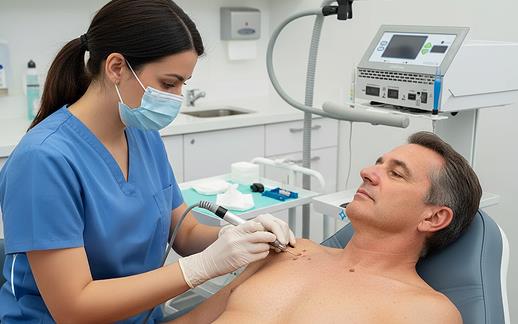
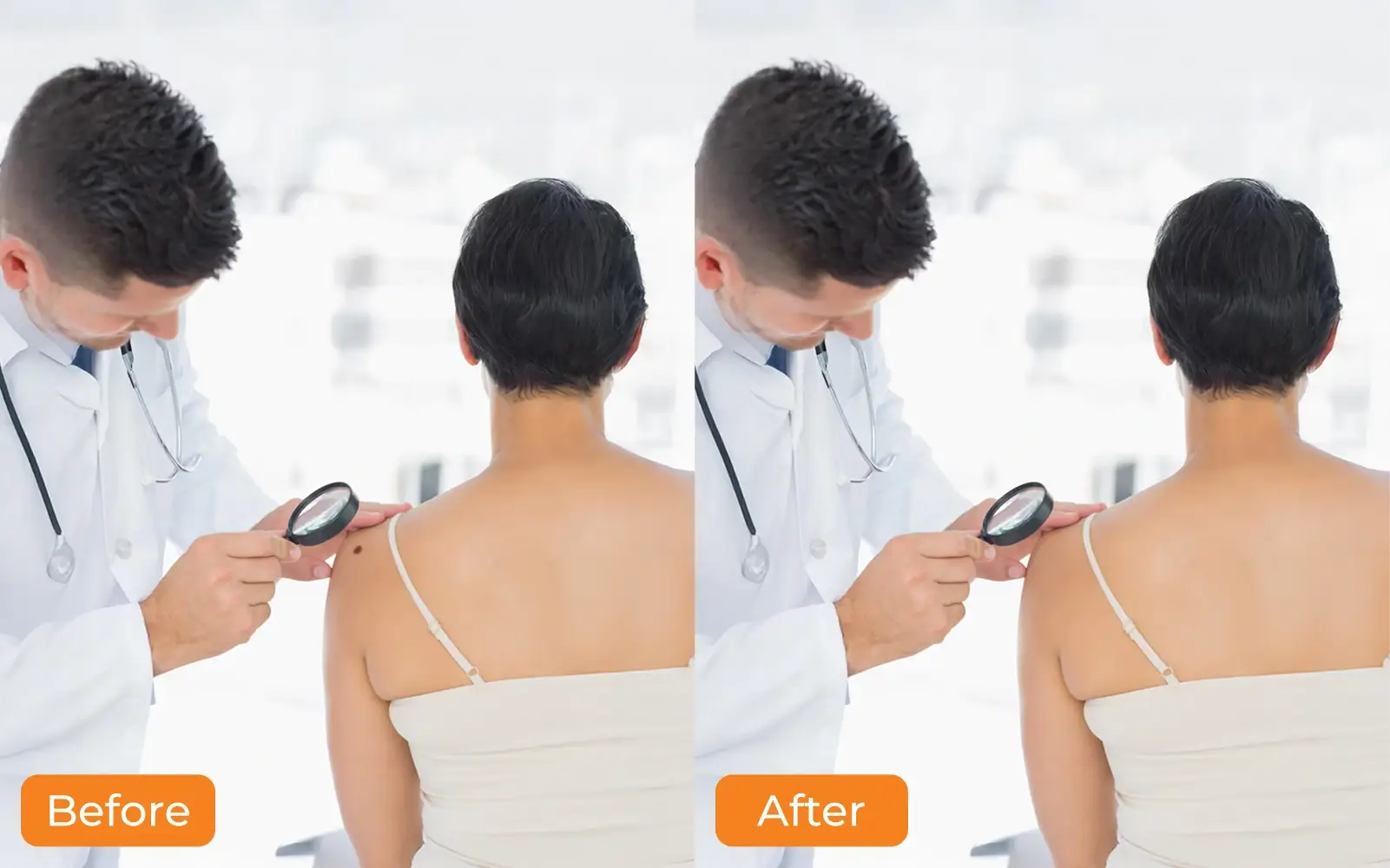
A skin cancer screening check involves a thorough examination of your skin by a qualified healthcare professional. During the screening, the doctor carefully inspects your skin, looking for any suspicious moles, lesions, or irregularities. They will use a dermatoscope, a specialized magnifying instrument, to get a closer look at potential areas of concern.
Skin Cancer Check
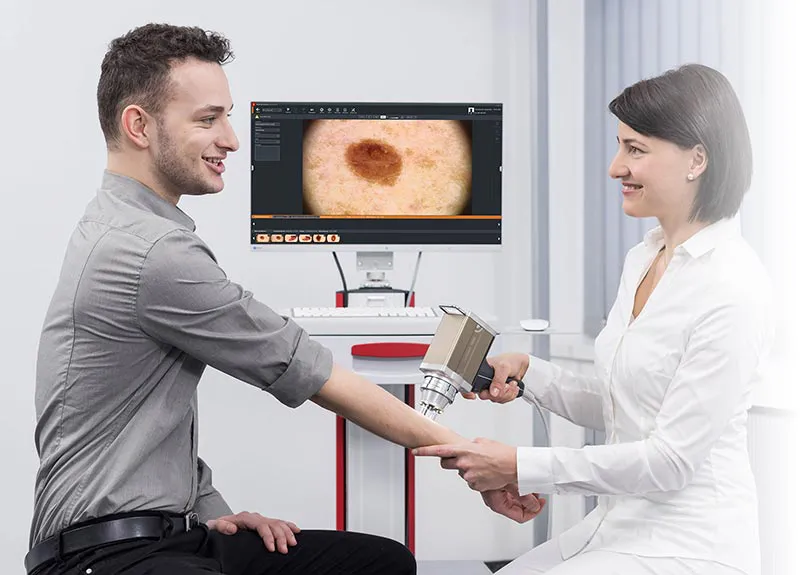
A skin cancer screening check involves a thorough examination of your skin by a qualified healthcare professional. During the screening, the doctor carefully inspects your skin, looking for any suspicious moles, lesions, or irregularities. They will use a FotoFinder, latest digital image technology, to assess and monitor your moles.
Mole Mapping Technology
Mole-mapping technology is the use of advanced digital imaging system designed to create a precise and detailed map of your skin, particularly focusing on moles and other skin irregularities. This technique utilizes high-resolution cameras and specialized software to capture and analyze images of your skin, allowing for the early detection of any changes or abnormalities.
Why Choose Our Skin Check Services in Melbourne?
Full-Body Skin Assessment
A full-body skin assessment allows your doctor to carefully examine visible moles, spots, freckles and other skin changes across different areas of the body. This detailed approach helps identify areas that may need monitoring, further review or follow-up over time.
Regular Skin Monitoring
Regular skin monitoring can help track changes in the appearance of moles, spots and other skin concerns. Ongoing checks make it easier to identify noticeable changes in size, shape, colour or texture and discuss them with your doctor at an early stage.
Personalised Skin Check Advice
Every person’s skin is different, which is why your doctor can provide personalised advice based on your skin type, number of moles, sun exposure and individual concerns. This may include recommendations for future skin checks, self-monitoring and suitable follow-up care.
Gallery

Frequently Asked Question
Please inform us if one of your moles shows any of the following characteristics:
- Asymmetry: irregular shape
- Borders: blurred, fringed, jagged
- Colour: irregular colour, e.g., dark brown, black brown, reddish, grey-white areas
- Diameter: Bigger than 5 millimeters
- Elevation: uneven surface
- Evolution: changes in the mole
If you can answer “YES” to any of these questions, please book in for a skin check and consultation:
- Do you have fair skin that is sensitive to sunlight?
- Do you have a particularly large number of moles?
- Do you have large congenital nevi?
- Do you have atypical moles or moles that have recently changed?
- Did you get sunburn as a child or adolescent?
- Is there a history of skin cancer in your family?
- Did you already have skin cancer?
- Are you exposed to strong sunlight or UV rays at regular intervals?
To perform a self-skin check, you will need a chair, hand-held mirror, full-length mirror, and good lighting. Follow these steps:
- Examine your body in a full-length mirror, paying extra attention to sun-exposed areas and hidden areas such as skin folds.
- Look at your underarms, forearms, and palms.
- Sit down and examine your legs, in between your toes, and the soles of your feet.
- Use a hand-held mirror to reflect off the full-length mirror to examine your neck, ears, and scalp.
- Similarly, use a hand-held mirror to check your back, buttocks, groin, genital area, and the back of your legs.
CAUTION
Immediate review with a Skin Cancer Doctor is recommended if you encounter the following:
Newly developed moles
Changes in colour, e.g., lighter, darker, new shades of an existing mole
Increase or decrease of size, thickness, or elevation of an existing mole
Bleeding moles
Changes in the surrounding area of moles, e.g., redness, white discoloration, swelling
Discomfort, e.g., itching, burning, or foreign body sensation


