

Scar Treatment
Scar treatment at Advanced Skin Doctors focuses on improving the features that bother you most, such as uneven texture, redness or a raised scar. We assess the scar and your skin before recommending an approach, explaining the likely benefit, recovery and cost.
We offer laser treatment for selected surgical scars, acne scars and stretch marks. The right approach depends on whether the main concern is texture, colour or raised tissue. Treatment can improve a scar, but it cannot restore uninjured skin or guarantee complete removal.
What would you like to improve
A scar can be noticeable because it is indented, raised, red, darker or lighter than the surrounding skin. These features do not all respond to the same treatment. At your appointment, explain whether appearance, discomfort or restricted movement is your main concern.
The age and cause of a scar also matter. A recent scar may still be changing as it heals, while a longstanding scar may need a different approach. Assessment helps determine whether treatment now, supportive care or allowing more time is appropriate.
Matching scar treatment to your skin
Scar or concern | What the assessment considers |
Surgical or injury scar | Width, texture, colour, healing stage and tension on the area. |
Indented acne scars | Depth and pattern of the depressions, and whether acne is still active. |
Raised scar | Whether thickening stays within the wound or extends beyond it as a keloid. |
Stretch marks | How long the marks have been present, their colour and the area involved. |

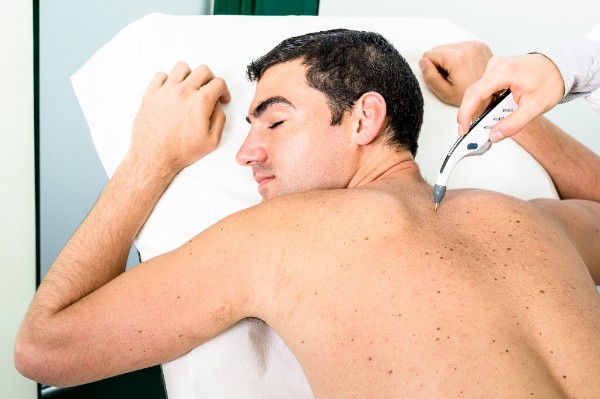
Surgical and injury scars
Laser may help selected scars become less noticeable by improving aspects of their texture or colour. It does not remove the original wound history. If a scar is tight enough to restrict movement, or the area has not healed properly, medical assessment is needed before cosmetic treatment is planned.
Acne scars
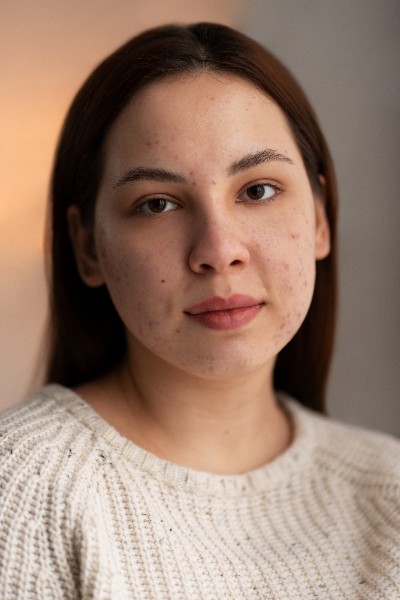
Acne can leave shallow depressions, deeper pits or raised scars. Flat red or brown marks after acne are not the same as a textural scar. Distinguishing these changes helps avoid choosing a treatment that does not address your main concern.
Laser or microneedling may be considered for suitable acne scarring. Active acne may need attention first to reduce further scarring. Deep or tethered scars can require other approaches; your assessment will clarify what can be treated here and whether referral is appropriate.
Raised scars and keloids
A hypertrophic scar stays within the original wound, while a keloid extends beyond it. These scars may need a plan directed at excess scar tissue rather than routine resurfacing. See our Keloid Removal page for more detail about assessment and recurrence.
Stretch marks
Stretch marks are a form of scarring associated with changes such as growth, pregnancy or weight fluctuation. Treatment may soften their appearance, but they are unlikely to disappear. Red or purple marks and older pale marks may respond differently.
Scar treatment options at Advanced Skin Doctors
Laser treatment
Laser delivers energy to the skin to target selected features of a scar. Depending on the technology and settings, treatment may address surface texture, stimulate remodelling or target redness. A laser suited to one concern may not be appropriate for another.
Ask which treatment is proposed for your scar, what it is intended to improve and why it suits your skin. Your clinician will explain the expected recovery, whether a test area is appropriate and the likely need for a series of sessions.
Microneedling
Advanced Skin Doctors also offers microneedling, including for suitable acne scarring. Fine needles create controlled punctures in the skin to encourage a repair response. It is an option to discuss after assessment, rather than a treatment suited to every scar.
Supportive care and other options
Some scars benefit from time, sun protection or silicone gel or dressings once the wound has healed. Your clinician can advise whether these measures suit your scar. A raised, complex or function-limiting scar may need a different treatment plan or specialist input.
Preparing for your appointment
Bring details of previous scar treatments and explain how your skin reacted. Tell the clinician about medicines, a history of cold sores, raised scars, pigment changes, recent tanning, pregnancy or breastfeeding. These details can affect treatment selection and timing.
Before booking a course, discuss the specific change you hope to see, the likely number and spacing of sessions, total cost and when progress will be reviewed. Ask who will perform the treatment and at which clinic.
Results and treatment timelines
Improvement is usually gradual. A course may be recommended, with time between appointments for healing and assessment. Skin remodelling can continue after a session, so the early appearance is not necessarily the final result.
The degree of improvement varies with scar type, depth, skin tone and treatment response. There is no reliable percentage improvement or fixed session count that applies to everyone. If progress is limited, the plan should be reassessed before continuing.
Choosing between laser microneedling and scar care
Approach | What it may help | What it cannot promise |
Laser | Selected changes in texture or colour, depending on the device used. | Complete scar removal or the same response across all scar types. |
Microneedling | Texture in suitable acne scars through a controlled skin repair response. | Correction of every deep pit or scar tethered to underlying tissue. |
Silicone and supportive care | Management of suitable healed scars, particularly raised tissue. | Filling an indented scar or replacing assessment of a growing keloid. |
The most suitable approach depends on the scar’s features and your skin’s response to treatment. If your scar needs a procedure outside the services available at the clinic, assessment can identify whether referral is appropriate.
When scar treatment should wait
An open wound, infection, active inflammation or recent sunburn may need to settle before a procedure. If acne is still producing new lesions, controlling it can be an important part of preventing further scars. Tell your clinician about recent tanning and previous pigment changes before choosing laser or needling.
Early assessment can still be useful after surgery, particularly if a scar becomes raised, painful or tight. Assessment does not mean treatment must start immediately; the timing depends on healing and the proposed procedure

Aftercare through each stage of healing
Before you leave the clinic
Confirm which cleanser or moisturiser to use, whether the area needs a dressing, and how long to avoid make-up, swimming, strenuous exercise and active skincare. Have the clinic’s contact details available in case the reaction differs from what was explained.
While the skin is sensitive or crusted
Handle the area gently, avoid picking or scrubbing and follow the procedure-specific instructions. Do not use an exfoliant or restart a retinoid until advised. Keep healing skin protected from sunlight; ask when sunscreen can be applied if the surface is still broken.
Once the surface has healed
Continue the recommended sun protection and skincare. Healing of the surface does not mean that scar remodelling is complete. A review helps determine whether to allow more recovery, repeat treatment or change the approach.
Recovery and possible side effects
Redness, swelling, sensitivity, dryness or crusting may occur, depending on the treatment. More intensive treatment can require longer recovery. Discuss the expected appearance and when you can return to work, exercise and make-up before scheduling around an event.
Possible complications include burns, infection, prolonged redness, darker or lighter pigmentation and further scarring. Darker skin tones and recently tanned skin need particular consideration when choosing treatment and settings.
Follow the aftercare instructions for your procedure, avoid picking the area and protect healing skin from the sun. Check when to restart active skincare products. Seek medical advice for increasing pain, spreading redness, discharge, significant blistering or unexpected deterioration.
Scar treatment costs
The cost depends on the treatment, area covered and number of sessions. Ask for a written estimate for the proposed course, including consultation, aftercare products and any review fees.
Our published microneedling fees are $290 for the first treatment, $230 for the second and $200 for the third. These are microneedling fees, not a quote for every scar or a promise that three sessions will be enough. Confirm suitability, current pricing and the area included before booking. Laser treatment requires a quote for your plan.
Book a scar treatment assessment
Call (03) 8202 5959 or book online. Our clinics are in Narre Warren, Wheelers Hill, Hoppers Crossing and Frankston. Confirm treatment availability at your preferred location when booking.
Real Treatment Outcomes
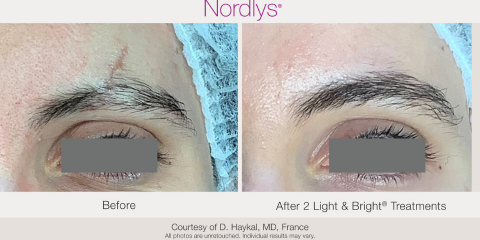
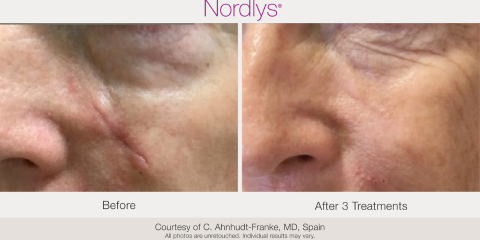

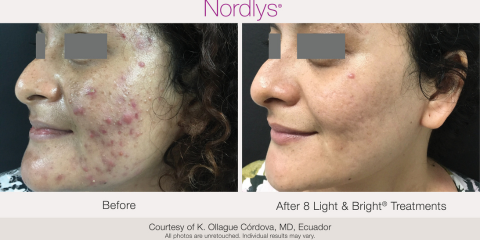
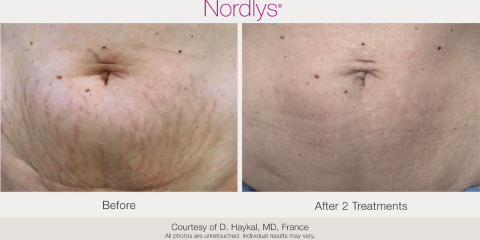
Scar & Stretch Mark Removal Treatment
Some longstanding scars can improve, although the response depends on their features and the treatment used. An assessment can help establish a realistic goal.
Skin tone is one part of suitability. The clinician must also consider pigment history, recent sun exposure and the proposed device or procedure. Treatment may need adjustment or postponement.
You may feel heat, stinging or discomfort. Pain relief and cooling options depend on the procedure. Ask what will be used and what to expect afterwards.


