

Keloid removal can reduce raised scar tissue, but the right approach depends on the scar and the risk of it returning. At Advanced Skin Doctors, we assess the area, discuss your priorities and explain whether removal or another approach is appropriate.
You may be seeking relief from itching, less pulling on the skin or a change in appearance. Treatment can help, but some scarring may remain and regrowth is possible. The decision should include a plan for follow-up, not just the initial procedure.
Book a Keloid Consultation • Call (03) 8202 5959.
Understanding Your Raised Keloid Scar
A keloid develops when excess scar tissue grows beyond the edges of the original wound. It can follow surgery, a piercing, acne or a minor injury. Keloids may feel firm or smooth and can be pink, brown or a similar colour to the surrounding skin. They can appear well after an injury has healed.
A hypertrophic scar also becomes raised, but stays within the original wound and is more likely to flatten over time. Identifying the scar type helps guide treatment. A lump near a piercing is not always a keloid.
When To Consider Keloid Removal
Consider an assessment if the scar catches on clothing, causes discomfort, limits movement or affects how you feel about your appearance. Previous regrowth is another reason to discuss your options. If the diagnosis is uncertain, a doctor may recommend further investigation before planning removal. A rapidly changing, bleeding or ulcerated lump needs medical assessment. Do not assume every raised lump is a keloid or try to cut it off at home.
Your options for keloid removal
Your doctor will consider the scar’s size, position, symptoms and previous treatment. The table compares approaches that may be discussed; it does not confirm that each is offered at every clinic. Availability and suitability are confirmed at assessment.

Option | Purpose | What to consider |
Corticosteroid injections | May soften and flatten raised scar tissue and reduce itching. | Usually involve repeat visits. Possible effects include injection discomfort, skin thinning and colour changes. |
Surgical removal | Removes excess scar tissue in selected cases. | Creates a new wound. Regrowth can occur, sometimes larger than before, so a plan to reduce recurrence is important. |
Silicone gel or sheets | May help soften or flatten a scar, including as part of ongoing scar care. | Requires regular use over time. Use on healed skin as directed, not an open wound. |
Pressure therapy | May be useful for suitable scars, particularly on the earlobe. | Needs an appropriate device and a wearing schedule agreed with your clinician. |
Laser treatment | May improve redness and sometimes the height of a keloid. | Often used alongside other treatment. Suitability depends on the scar and the specific laser. |
Cryotherapy | Freezes scar tissue and may help smaller keloids. | Can cause pigment loss, which is particularly relevant for darker skin. |
Choosing Treatment When A Keloid Has Returned
Bring details of any previous removal, injections or laser procedures, including when the scar grew back. Photographs and records help explain the response. This history matters when discussing whether to repeat, combine or change an approach.
Surgery creates another wound and can trigger further keloid growth. If removal is considered, discuss additional treatment and follow-up to address this risk. An injection course or supportive scar care may form part of the plan; no approach guarantees permanent clearance.
What Happens Before And After Keloid Removal
Assessment Before Choosing A Procedure
Your doctor examines the scar and asks how it developed, what symptoms it causes and what has already been tried. Bring a medication list, allergies and relevant records. Explain any previous keloids or family history. Do not stop prescribed medicines without medical advice.
If Surgical Removal Is Being Considered
Surgical removal means taking away the excess scar tissue. Before consenting, ask your doctor to explain these steps for your particular scar:
- Preparation and pain relief — how the area will be prepared and what local anaesthetic or other pain relief is appropriate.
- Removal and wound care — the proposed method, how the wound will be managed and whether dressings or stitches will be needed.
- Follow-up — when the wound will be reviewed, whether further treatment is recommended and what to do if thickening returns.
The assessment determines the plan. Same-day treatment, a particular device and a fixed procedure length are not promised. Ask which doctor will perform the procedure and where it will take place.
Risks To Weigh Against The Expected Benefit
Removal can leave a visible scar and the keloid can return, sometimes larger than before. Other possible risks include pain, infection, bleeding and pigment changes. Steroid injections have additional risks, including skin thinning and visible small blood vessels. Your doctor should explain the risks of the proposed approach for your skin.
Recovery And Returning To Normal Activities
Recovery depends on the procedure, wound size and body area. Before leaving, make sure you know how to manage dressings, when you can wash the area, whether stitches need removal and when work or exercise can resume. Follow the instructions for your procedure rather than a general online recovery timetable.
Use silicone only on healed skin as directed. Attend reviews and report renewed thickening. Seek medical advice for increasing pain, spreading redness, swelling or discharge.
Planning For Future Skin Procedures
Tell clinicians about your keloid history before future procedures. If you are prone to keloids, avoid unnecessary skin injury and discuss tattoos or piercings beforehand. Seeking help for acne that scars may also reduce risk.
Keloid Removal Costs
Our published fees separate keloid removal from follow-up steroid injections. Confirm the treatment plan and total cost for your scar before proceeding.
Service | Published fee |
Keloid removal including consultation | $850 |
Follow-up steroid injections | $265 per session |
The removal fee includes consultation. Follow-up steroid injections cost $265 per session. Ask whether dressings, pathology or review appointments carry any additional charge. Our fee page lists a Medicare rebate for follow-up steroid injections; eligibility and the rebate amount depend on your circumstances.
Keloid Removal at Advanced Skin Doctors
Dr Ankur Bansal has more than 18 years of experience in surgical and skin cancer management. His qualifications include a Master of Medicine in Skin Cancer from the University of Queensland and Fellowship of the Royal Australian College of General Practitioners. His background includes surgical training at Monash Health and other Melbourne hospitals.
For an assessment with Dr Bansal, contact reception to confirm the appointment location and availability.
Clinic Locations for Keloid Removal
- Narre Warren — 4 Springwood Avenue, Narre Warren VIC 3805
- Wheelers Hill — 2 Magid Avenue, Wheelers Hill VIC 3150
- Hoppers Crossing — 112 Derrimut Road, Hoppers Crossing VIC 3029
- Frankston — 108 Cranbourne Road, Frankston VIC 3199
Call (03) 8202 5959 to confirm the service and appointment location. The clinic accepts appointments without a GP referral; check whether a referral is relevant to the consultation or any rebate.
Book A Keloid Removal Assessment
Discuss your scar, previous treatment and the result you hope to achieve with Advanced Skin Doctors. Call (03) 8202 5959 or book online to start with an assessment.
Your Treating Doctor

Dr Ankur Bansal’s qualifications include:
- Master of Medicine in Skin Cancer, University of Queensland.
- Bachelor of Medicine and Bachelor of Surgery.
- Fellowship of the Royal Australian College of General Practitioners.
- Diplomas in Skin Cancer Medicine and Dermoscopy.
Discuss your concerns, previous treatment history and questions during your appointment. Read Dr Bansal’s full profile for further information about his qualifications and clinical background.
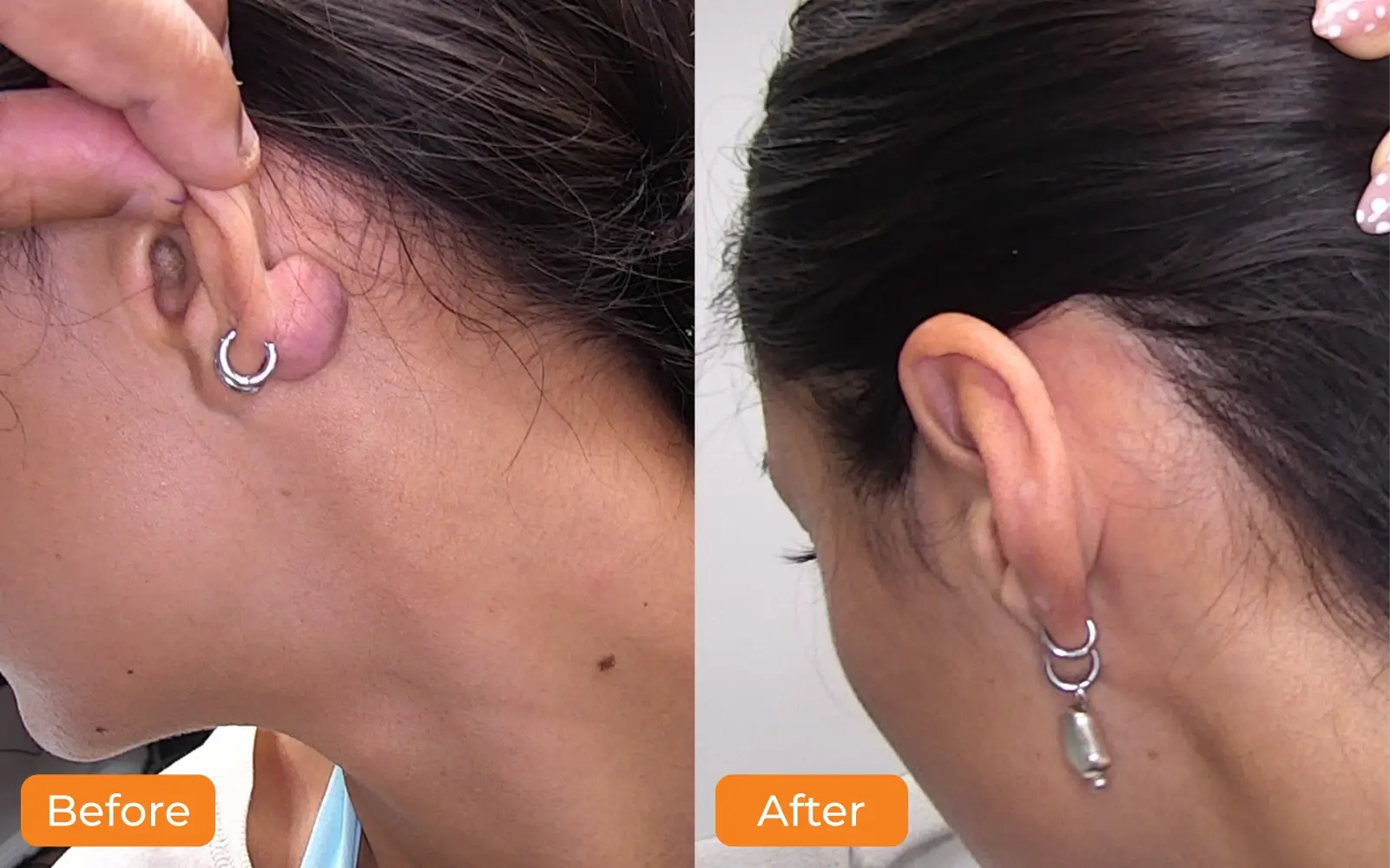
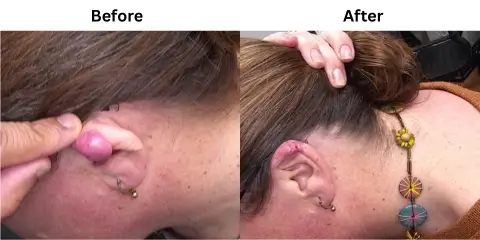
Real Keloid Scar Treatment Outcomes



Frequently Asked Question
No treatment can promise that a keloid will never return. Surgery removes tissue but creates a new wound, so follow-up and additional care may be needed. Ask what improvement is realistic and how regrowth would be managed.
Possibly. Injections or other approaches may be appropriate when the aim is to flatten the scar or relieve symptoms. A stable, confirmed keloid that does not trouble you may also be monitored. Discuss the benefits and drawbacks of each choice.
Pain relief depends on the procedure. Local anaesthetic may be appropriate for removal, while injections into a firm scar can be uncomfortable. Discuss pain control beforehand and ask what discomfort to expect afterwards.
Some visible scarring usually remains after treatment. A flatter or less uncomfortable scar may be the goal. Removal cannot promise to restore the skin exactly to its appearance before the original injury.
An assessment, procedure and reviews may be separate visits. Injections may require a course of treatment. Ask for an estimated schedule and how the plan will change if the scar responds slowly or starts to grow again.
First confirm what the lump is; not every piercing lump is a keloid. If treatment is appropriate, ask how the ear’s shape and risk of recurrence affect the plan. Confirm ear keloid service availability when booking.
This depends on assessment, consent and clinic arrangements. Book an assessment without assuming a procedure will happen that day. Reception can explain how appointments are arranged.
Laser may help particular features, such as redness or scar height, and may be combined with other care. It does not guarantee complete clearance. Ask what the proposed laser is intended to improve.


Facts You Should Know
Keloid Scar Facts
- Keloids are raised scars that can grow beyond the original wound.
- They may develop after surgery, injuries, acne or ear piercings.
- Keloids commonly appear on the earlobes, chest, shoulders and upper back.
- Symptoms may include itching, tenderness, discomfort or tightness.
- Treatment options may include steroid injections, cryotherapy or surgical removal, depending on the individual case.
- Keloids can return after treatment, so professional assessment and follow-up care are important.

Gallery


