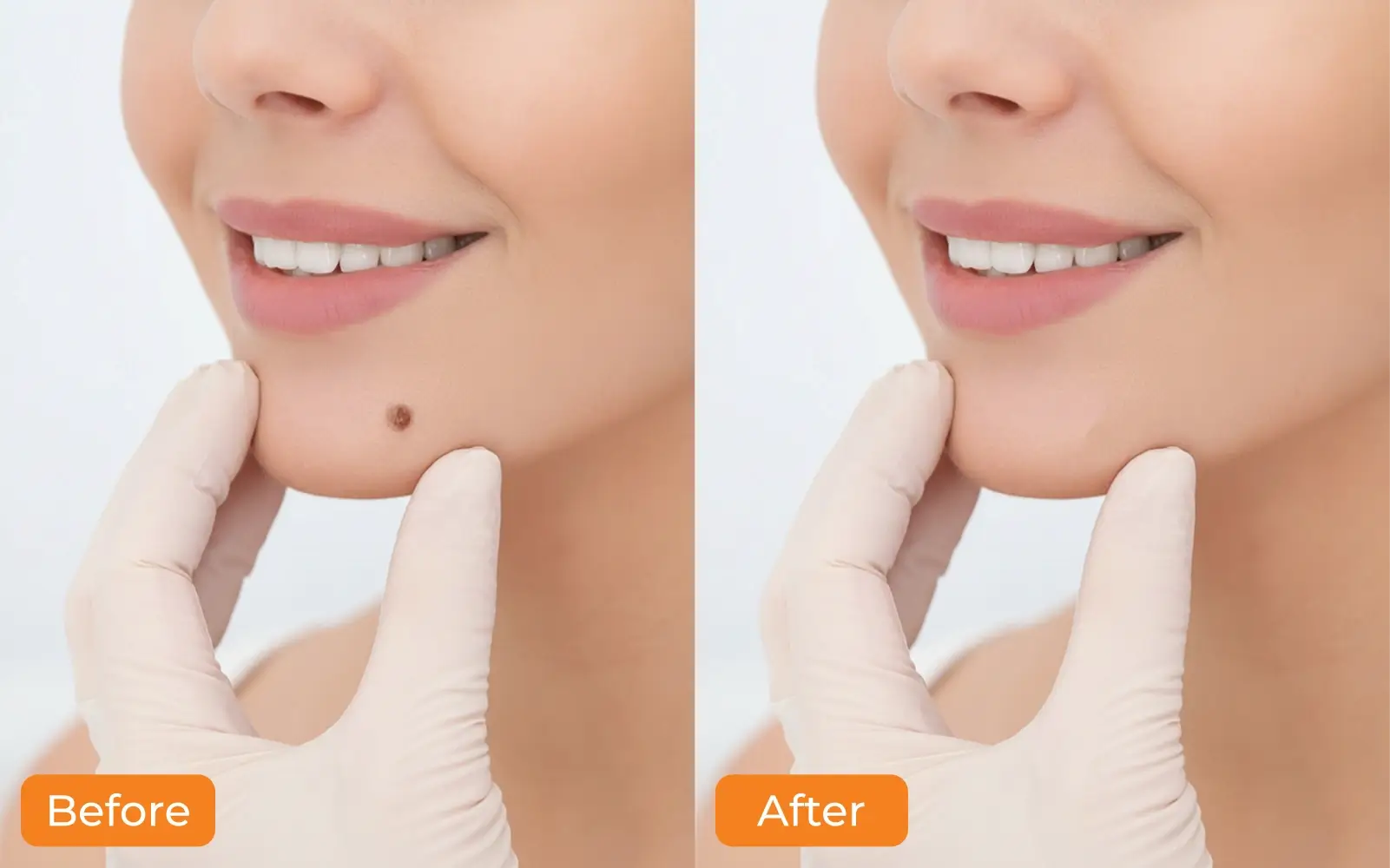
Advanced Skin Doctors offers mole removal using radiofrequency electrosurgery or surgical excision when appropriate. Every plan starts with assessment of the spot, followed by a discussion of the suitable method, likely scar and cost.
You may want a benign mole removed because it catches when shaving, rubs against clothing or bothers you because of its appearance. A changing or suspicious spot needs medical assessment and may require tissue testing rather than cosmetic treatment.
When to have a mole checked
Arrange an assessment if a mole changes in size, shape or colour, looks different from your other spots, bleeds without an obvious injury or develops persistent symptoms. Skin cancer can also appear as a new spot. Do not wait for a cosmetic appointment if you are concerned about a recent change.
Most moles are harmless and do not need removal. A consultation helps distinguish a cosmetic preference from a finding that needs investigation. A photograph or online description cannot reliably establish that a mole is benign.
Assessment before mole removal
Your doctor examines the mole and asks about changes, symptoms, previous treatment and your personal or family history of skin cancer. Dermoscopic examination can reveal features that are not visible to the naked eye. Imaging may be useful, but it does not replace laboratory testing when that is needed.
Tell the doctor about blood-thinning medicines, allergies, previous wound healing problems and any history of keloid scars. Bring previous pathology results if the mole has been biopsied or removed before. Do not stop prescribed medicines without advice.
Your care at Advanced Skin Doctors
Our team includes Dr Ankur Bansal, who performs mole removal and holds a Master of Medicine in Skin Cancer, a Diploma in Dermoscopy and Fellowship of the Royal Australian College of General Practitioners. Confirm the treating doctor and appointment location when booking.
Raised flat and previously treated moles
What you have noticed | Why it matters for removal |
A raised mole that catches or rubs | A surface technique may suit some benign lesions, but depth and diagnosis still matter. |
A flat pigmented spot | Its colour alone cannot establish that it is a mole or determine a removal method. |
A spot that is changing or looks unusual | Assessment and an appropriate tissue sample take priority over the cosmetic result. |
Pigment or a lump returning after treatment | Previous treatment can change its appearance. Bring the earlier pathology report if available. |
Moles on the face and other visible areas
For a facial mole, discuss both the existing mole and the mark that may replace it. The position of an incision, the depth of removal and your history of pigmentation or raised scars influence the options. Areas near the eyelid, lip or other delicate structures may require specialist care.
For body moles, clothing, sport and repeated movement can affect wound care. Tell your doctor if the spot sits beneath a bra strap, waistband, helmet or other equipment you use regularly.


Mole removal methods
Advanced Skin Doctors offers radiofrequency electrosurgery and surgical excision. The method is selected after assessment. The priority is an appropriate diagnosis and treatment, with discussion of the likely cosmetic result.
Method | When it may be considered | Main consideration |
Radiofrequency electrosurgery | Selected benign lesions suitable for controlled tissue removal. | Can leave a mark or scar; tissue may not be suitable for full pathology assessment. |
Surgical excision | When an intact tissue sample or deeper removal is required, or other methods are unsuitable. | Usually involves stitches and leaves a surgical scar. |
Radiofrequency electrosurgery
- Radiofrequency energy is used to remove suitable tissue after local anaesthetic. It is an electrical surgical technique, not a laser. The doctor will explain the wound care required and the possibility of residual pigment or regrowth.
- If there is uncertainty about the diagnosis, a method that destroys tissue is not a substitute for obtaining an appropriate sample. The need for pathology should be decided before cosmetic removal.
Surgical excision and pathology
- After numbing the area, the doctor removes the mole surgically and usually closes the wound with stitches. Excised tissue is sent to a laboratory for examination. Your doctor will explain the findings and whether further treatment is needed.
- The scar may be longer than the visible mole because the wound must be shaped and closed. Ask about its likely position and length, particularly for a mole on the face or another visible area.
Questions to settle before choosing a method
- Does the mole need a tissue sample, and will the proposed method provide one?
- What mark or scar is likely at this body site?
- Could deeper mole cells remain, and what happens if pigment returns?
- What does the quote include, and would further treatment cost extra?
A technique that avoids stitches still creates a treated area that must heal. Choose the method around the clinical assessment and expected result, rather than the promise of no downtime or an invisible scar.
What to expect during and after removal
Your procedure appointment
Before proceeding, confirm the mole to be treated, the chosen method, fees and consent. A local anaesthetic injection can sting briefly. Once the area is numb, you may notice pressure or movement. Tell the doctor if you feel sharp pain.
The time required depends on the number of moles, their location and the method used. Assessment and removal may need separate appointments. Confirm the booking arrangements rather than assuming treatment will occur at the first visit.
Healing and wound care
After surface removal, the area may resemble a small graze and can form a crust before new skin covers it. After excision, you will usually have a line of stitches beneath a dressing. Your aftercare will depend on the type of wound. Follow the instructions for cleaning, dressings and when to shower. Avoid picking the area and ask when it is safe to shave, apply make-up, swim or exercise.
Stitch removal and review timing depend on the wound and its location. Initial closure of the skin is only one stage of recovery. The new skin may look pink or differ in colour from the surrounding area, and scar changes can continue for months. Protect the healed area from sun exposure as advised.
Results and follow-up
Before leaving, confirm how and when pathology results will be communicated if tissue has been tested. Contact the clinic if results have not arrived within the timeframe you were given. Further removal may be needed depending on the diagnosis or whether tissue remains.
Seek prompt advice for worsening pain, spreading redness, pus, fever, wound opening or bleeding that does not settle with the instructions provided.

Scarring and other risks
No mole removal method can promise scar-free skin. Possible outcomes include a flat mark, an indentation, a raised scar or a colour difference. Your skin type, previous scars, mole depth and wound location all influence healing.
Other risks include bleeding, infection, delayed healing, altered sensation and regrowth. Surface removal may leave deeper mole cells behind. A mole or pigment that returns should be reassessed before further cosmetic treatment.
Discuss the balance between removing the mole and accepting a replacement scar. Leaving a confirmed benign mole alone remains an option if the likely cosmetic benefit does not outweigh that trade-off.

Mole removal costs
Advanced Skin Doctors publishes the following cosmetic mole removal fees. Confirm that this pricing applies to the method and lesions recommended for you.
Cosmetic removal | Published fee |
Single spot | $400 |
Each additional spot | $200 |
The price list notes consultation inclusion. Ask the clinic to confirm the full total, including any pathology, dressing or review charges, before proceeding. Surgical excision fees can depend on time and complexity and should not be assumed to be covered by the cosmetic spot price.
Medicare eligibility depends on the reason for removal and the service provided. Do not assume that cosmetic removal attracts a rebate; confirm any applicable rebate and out-of-pocket cost with the clinic.
Book a mole removal assessment
Call (03) 8202 5959 or book online. Appointments are available through our Narre Warren, Wheelers Hill, Hoppers Crossing and Frankston clinics. Confirm the location and availability of the proposed procedure when booking.
Frequently Asked Question
Many facial moles can be assessed for removal. Position, depth, diagnosis and the likely scar determine the options. Some locations may need a different approach or referral.
This may be possible after each mole has been assessed. The number treated at one visit depends on the method, appointment time and wound care involved.
Home removal can cause burns, infection and scarring, and can delay diagnosis of a suspicious lesion. Have the spot assessed before attempting to remove it.
Removing a benign mole does not remove the risk of skin cancer elsewhere. Continue sun protection and discuss a skin check schedule based on your individual risk.
You can book directly with Advanced Skin Doctors without a GP referral. Tell the team if the mole is changing or causing symptoms so the appointment can be arranged appropriately.


Gallery