Keloid Removal in Melbourne: At a Glance
- Purpose: Reduce raised scar tissue, improve appearance or ease discomfort.
- Treatment options: May include injections, surgery or other approaches, depending on assessment and availability.
- Expected results: Improvement varies. Keloids can return, and repeat treatment may be needed.
- Consultation: Discuss suitability, risks, recovery, costs and Medicare eligibility.
- Locations: Narre Warren, Wheelers Hill, Hoppers Crossing and Frankston.
Book a keloid assessment with Advanced Skin Doctors: (03) 8202 5959.
Is a raised scar growing, uncomfortable or bothering you in everyday life? Advanced Skin Doctors provides assessment of keloid scars for Melbourne patients, with appointments at Narre Warren, Wheelers Hill, Hoppers Crossing and Frankston.
Your consultation starts with understanding the scar and what you would like treatment to achieve. Your doctor can then discuss suitable options, likely limitations, recovery and costs.
Treatment may improve a keloid, but complete removal without regrowth cannot be guaranteed.
Call (03) 8202 5959 or book online.
Understanding Your Raised Scar
- Keloids develop when excess scar tissue grows beyond an original wound. They may follow an injury, operation, acne or ear piercing.
- A keloid is different from a hypertrophic scar, which stays within the original wound boundary. Identifying the scar type helps guide treatment.
- If you are unsure whether a lump is a keloid, book an assessment before seeking removal.
When Is a Keloid Assessment Helpful?
- You may wish to discuss treatment when your scar affects comfort, movement, clothing choices or how you feel about its appearance.
- Assessment is also useful if previous treatment has not helped or the scar has returned. Tell your doctor about any rapid growth, bleeding or other unexpected changes so these can be investigated appropriately.
- You do not need to decide on a procedure before your appointment.
Keloid Removal and Treatment Options
- There is no single approach suitable for every keloid. Your doctor will consider the scar’s location, size, previous response to treatment and your priorities.
- The approaches below may be discussed during assessment. Your doctor will clarify which are available at the clinic and whether another provider is needed.
Injection Treatment
- Injections may help soften or flatten a raised scar. A course of treatment may be considered, with review appointments to assess the response.
- Ask about the proposed medicine, appointment schedule and treatment-specific side effects before proceeding.
Surgical Keloid Removal
- Surgery removes scar tissue but creates a new wound. Because keloids can regrow after surgery, your doctor will discuss whether removal is appropriate and how further treatment or follow-up may form part of the plan.
- Surgery should not be presented as a guaranteed permanent solution.
Laser Treatment and Cryotherapy
- Laser treatment may address certain features of a scar. Cryotherapy may be considered in selected cases. Suitability and risks depend on the treatment and your skin.
- Ask what a proposed treatment is intended to improve and what it cannot achieve.
Supportive Scar Care
- Silicone products or pressure therapy may form part of a treatment plan. Your doctor will explain whether these are appropriate, when to begin and how to use them.
Ear and Earlobe Keloids After Piercing
A raised lump around a piercing may need assessment to determine its cause. Tell your doctor when it appeared, whether it has changed and whether you have previously developed keloids.
- If treatment is recommended, ask how the plan will account for the ear’s shape and the possibility of regrowth. Confirm the availability of ear keloid treatment when booking.
What Happens at Your Consultation?
Assessment and Medical History
- Your doctor will examine the area and discuss your symptoms, how the scar developed and any previous procedures. Further investigation may be recommended if the diagnosis is uncertain.
Discussing Your Priorities
- Explain what matters most to you: comfort, reducing the raised area, appearance or another concern. This helps focus the discussion on a realistic treatment goal.
Understanding the Plan
Before deciding, ask about:
- the proposed approach is suitable.
- Alternatives, including leaving the scar untreated.
- The likely number of appointments.
- Relevant risks and treatment limitations.
- Recovery, follow-up and total expected costs.
Whether treatment can occur at the first appointment depends on your assessment, consent and clinic arrangements.
What if Your Keloid Has Returned?
- Previous treatment is important when planning further care. Bring information about what was used, when it was performed and how the scar responded.
- Photographs or records may help explain changes over time. Your doctor can review this history before discussing the next step.
Recovery, Aftercare and Follow-Up
- Your recovery instructions will depend on the procedure and treatment area. Ask when you can return to work, exercise and normal activities, and whether you will need help caring for the area.
- If wound care is required, make sure you understand dressing changes, follow-up arrangements and whom to contact with concerns.
- Follow the advice provided for your treatment. Contact the clinic if you notice increasing pain, spreading redness, discharge or unexpected changes.
Treatment Risks and Limitations
- Your doctor will explain the risks relevant to the proposed approach. These may include discomfort, infection, pigment changes, further scarring or recurrence.
- Some treatment plans require several appointments. Improvement may be gradual, and a visible scar may remain.
- Consider these limitations alongside the potential benefits before deciding whether treatment is right for you.
Keloid Treatment Costs in Melbourne
Your treatment estimate will depend on the assessment and proposed plan. When discussing costs, ask whether the estimate includes:
- The initial consultation.
- Each treatment session.
- Follow-up appointments.
- Dressings or prescribed scar-care products.
- Any pathology testing, if needed.
Contact reception for current consultation fees. Ask how additional appointments would affect the total cost.
Medicare Eligibility
- Ask the clinic about eligibility for your consultation and proposed treatment. Eligibility depends on individual circumstances and the service provided; a rebate should not be assumed.
Your Treating Doctor
Dr Ankur Bansal’s qualifications include:
- Master of Medicine in Skin Cancer, University of Queensland.
- Bachelor of Medicine and Bachelor of Surgery.
- Fellowship of the Royal Australian College of General Practitioners.
- Diplomas in Skin Cancer Medicine and Dermoscopy.
Discuss your concerns, previous treatment history and questions during your appointment. Read Dr Bansal’s full profile for further information about his qualifications and clinical background.
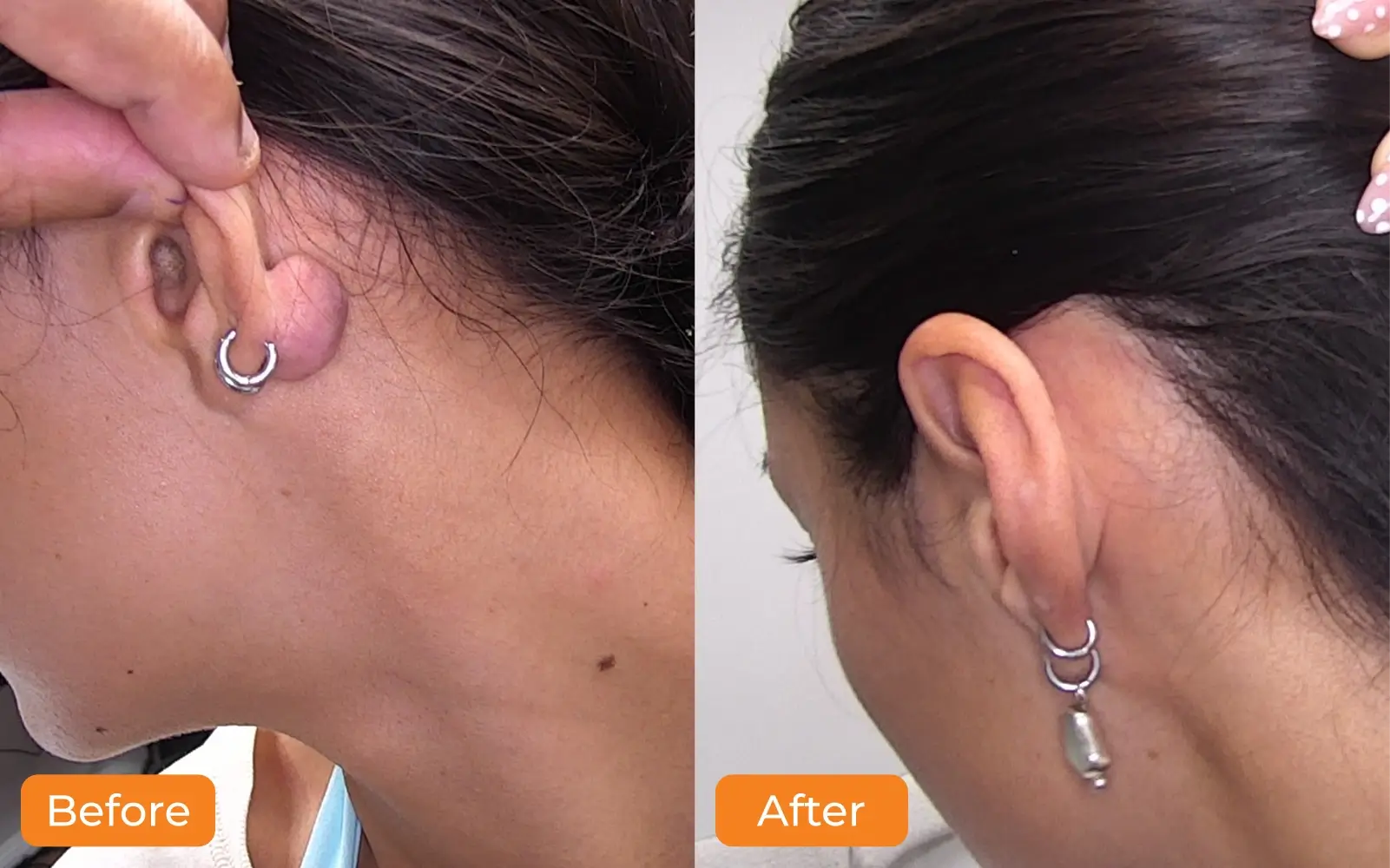
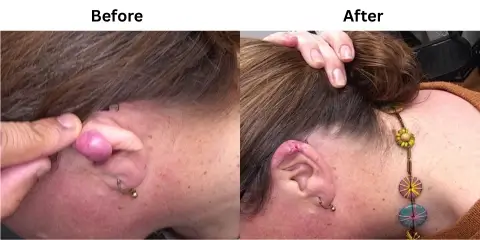
Real Scar Treatment Outcomes


Frequently Asked Question
No. Book an assessment to understand the diagnosis and discuss appropriate options.
Non-surgical approaches may be considered. Your doctor will explain whether these suit your scar and treatment goals.
This depends on the proposed approach and your response. Ask for an estimated schedule, including reviews, before starting.
Discomfort varies. Ask what pain relief or anaesthetic is appropriate and what you may experience afterwards.
Treatment cannot promise restoration of the original skin appearance. Discuss likely improvement and any remaining scar with your doctor.
The clinic currently accepts appointments without a GP referral. Ask reception whether referral requirements apply to your intended consultation or any rebate.
Bring a medication list, relevant medical records and details of previous scar treatments. Note your questions and what you hope to achieve.
Facts You Should Know
Skin Cancer Facts in Australia
- 2 in 3 Australians will be diagnosed with skin cancer by age 70.
- Over 2,000 deaths occur each year from preventable skin cancers.
- 1 in 4 men and 1 in 6 women will face melanoma in their lifetime.
- UV exposure is the primary cause, making sun protection essential year-round.
- Annual skin checks are critical for high-risk individuals, with self-screening every 3 months.
- 95% of cases are treatable with early detection.
- Melanoma is the most common cancer for Australians aged 15-39.